

The Hyperbole Trap: When Everything Becomes “Existential”
How catastrophizing and fear distort our sense of proportion

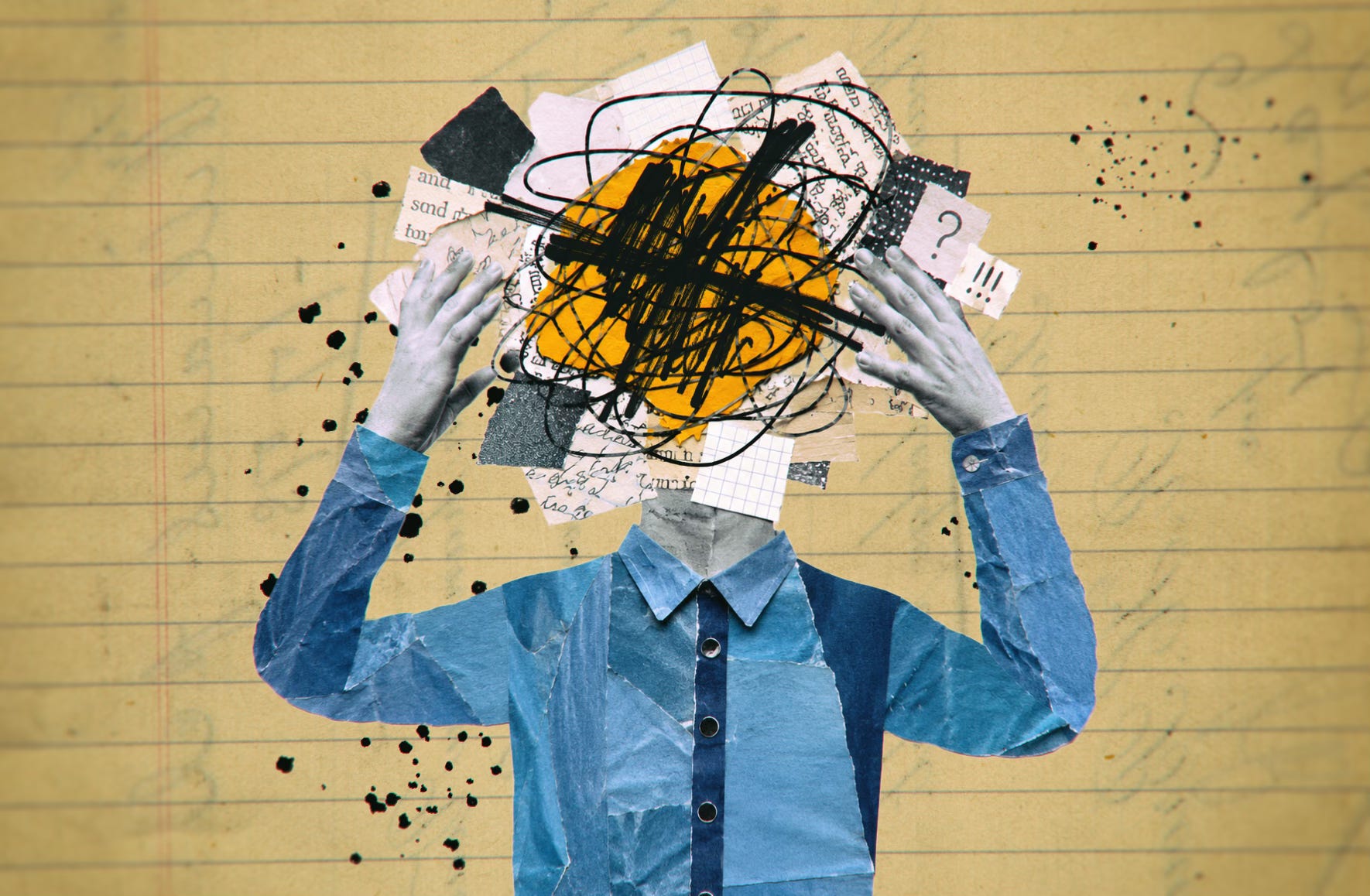
I’ve been accused more than once of being “too literal.”
Usually this happens when someone says something dramatic and I make the mistake of taking the words seriously.
Someone casually announces they’re “traumatized” because a meeting went badly. Another insists they’re “literally ADHD” because they procrastinate sometimes. Someone else declares a mildly uncomfortable social interaction “violence.” If you ask what they actually mean — not sarcastically, but sincerely — you quickly discover that many people no longer expect language to be interpreted proportionally. They expect it to be interpreted emotionally.
The emotional truth matters more than the literal one.
And somewhere along the line, exaggeration stopped being a rhetorical flourish and became a cultural operating system.
This shift first became noticeable to me in the explosion of therapeutic self-diagnosis. Perfectly ordinary human experiences — distraction, awkwardness, sadness, nervousness, loneliness — increasingly arrived wrapped in clinical language. Every difficulty needed a diagnostic category. Every discomfort required a pathology. These labels gradually migrated into social media bios, LinkedIn profiles, and institutional accommodation systems themselves. What once might have been described as “I’ve been struggling lately” became “I’m neurodivergent,” “I’m traumatized,” or “I have anxiety disorder.”
Now, to be clear, these conditions are real. ADHD is real. Dyslexia is real. Trauma is real. Clinical depression is real. But something odd happens when serious language becomes culturally inflated. The terminology begins to lose scale.
And when language loses scale, people lose perspective.
Not every distraction is ADHD. Not every sadness is trauma. Not every social setback is abuse. And not every disagreement is violence. Many of these experiences are painful, disruptive, and deeply unpleasant. But difficulty is not the same thing as disorder, and manageable struggle is not the same thing as permanent damage.
But once a culture begins framing ordinary difficulties in catastrophic terms, it becomes increasingly difficult — especially for the young — to distinguish manageable problems from genuinely existential threats.